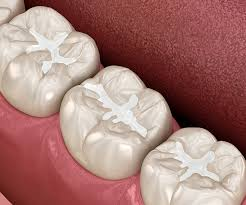
Fillings and sealants both involve placing material on a tooth, but they have different purposes. A dentist can examine a tooth and explain whether it needs repair, preventive protection or a different approach.
What is a dental filling?
A filling can restore an area of a tooth affected by decay or minor damage. The dentist first assesses the tooth and, when a filling is appropriate, prepares the affected area before placing a suitable material. Filling materials and the amount of tooth preparation vary by case.
If damage is extensive, a filling may not be the right treatment. Your dentist can discuss other ways to restore or protect the tooth.
What is a dental sealant?
A sealant is a thin protective coating applied to the grooves on the chewing surfaces of back teeth. These grooves can be difficult to clean. Sealants help protect those surfaces from decay; they do not replace brushing, cleaning between teeth or regular dental check-ups.
Children and adults may be considered for sealants. A dentist can check the tooth and advise whether a sealant is suitable.
How do fillings and sealants differ?
A filling is usually restorative: it repairs a part of a tooth that has already been affected. A sealant is usually preventive: it protects a chewing surface that may be vulnerable to decay. In some circumstances a dentist may discuss sealing very early decay, but the decision depends on an examination.
Neither treatment is a substitute for finding out why a tooth hurts or has changed. Pain, sensitivity or a visible hole should be assessed rather than self-diagnosed.
What happens at an assessment?
Your dentist may examine the tooth and, where needed, use dental imaging to understand the extent of a concern. They can then explain the available options, the material proposed and how to look after the tooth afterward. Existing fillings and sealants should also be checked during routine visits because they can wear or need attention over time.
What should I ask my dentist?
- Is this tooth showing decay, damage or simply deep grooves?
- Would a filling, sealant or another option be appropriate?
- What material would you recommend, and why?
- How should I care for the tooth and when should it be checked again?
Explore the clinic’s Fillings and Sealants service.
Prevention and repair at Dr. Bharath Dental
The clinic lists both fillings and sealants in Ongole. Fillings repair areas affected by decay or damage; sealants are a preventive coating for suitable tooth surfaces. A dentist needs to examine the tooth before recommending either.
Ask whether an area needs treatment, monitoring or prevention, and what brushing, fluoride and follow-up care are appropriate. Explore fillings and sealants or request an examination.
Common Questions
Can a sealant replace a filling?
They generally serve different purposes. A dentist needs to assess the tooth to determine whether it needs repair, preventive protection or another treatment.
Do I still need to brush if I have sealants?
Yes. Sealants add protection to certain chewing surfaces, but daily brushing, cleaning between teeth and dental check-ups remain important.
References & Further Reading
This information is for general education and does not replace an in-person dental examination. Treatment recommendations vary by patient.